
Understanding Lactose Intolerance & Lactose-Free Diets
A downloadable PDF compilation details consumable items lacking lactose, aiding those managing intolerance or following a restrictive diet.
It categorizes foods,
highlighting suitable and avoidable options, like lactose-free milks and aged cheeses.

What is Lactose?
Lactose, fundamentally, is the carbohydrate naturally present within milk and all derived dairy products; it’s commonly referred to as milk sugar. This disaccharide is composed of glucose and galactose, and its digestion requires an enzyme called lactase, produced in the small intestine.
Individuals experiencing lactose intolerance have a reduced amount of lactase, leading to undigested lactose moving into the colon. This process can trigger various digestive discomforts. Understanding lactose’s role is crucial when navigating a lactose-free diet, as identifying its presence – or absence – in foods is key to symptom management. A lactose-free food list PDF can be an invaluable tool in this process, clearly outlining safe and potentially problematic food choices.
Essentially, knowing what lactose is empowers informed dietary decisions.
Symptoms of Lactose Intolerance
The manifestation of lactose intolerance varies significantly between individuals, ranging from mild discomfort to more severe digestive distress. Common symptoms typically emerge between 30 minutes and two hours after consuming foods containing lactose. These frequently include bloating, a feeling of fullness and pressure in the abdomen, and audible intestinal gas.
Other prevalent symptoms encompass abdominal cramping, often accompanied by pain, and diarrhea. Nausea, while less common, can also occur. The severity of these symptoms is directly correlated to the amount of lactose ingested and the individual’s level of lactase deficiency. Utilizing a lactose-free food list PDF can proactively help minimize exposure and, consequently, symptom occurrence, allowing for a more comfortable dietary experience.
Diagnosing Lactose Intolerance
Determining lactose intolerance often involves a process of elimination and medical evaluation. Initially, keeping a detailed food diary and correlating symptom onset with lactose consumption can provide valuable clues. A healthcare professional may recommend several diagnostic tests to confirm the condition.
These tests include a lactose tolerance test, measuring blood glucose levels after lactose ingestion, and a hydrogen breath test, detecting undigested lactose in the breath. A lactose-free food list PDF can be a helpful tool during this diagnostic phase, allowing for a temporary dietary adjustment to observe symptom improvement. Accurate diagnosis is crucial for effective management and informed dietary choices, ensuring optimal digestive health and well-being.

Core Principles of a Lactose-Free Diet
Utilizing a lactose-free food list PDF is fundamental; it guides mindful food selection, enabling avoidance of lactose-containing items and symptom management.
Reading Food Labels for Lactose
Navigating food labels is crucial when adhering to a lactose-free diet, and a comprehensive PDF list aids this process. Beyond simply looking for “lactose-free” claims, scrutinize ingredient lists for hidden lactose sources. Common culprits include whey, casein, milk solids, and milk sugar. Remember that ingredients can be listed under various names, making careful reading essential.
A downloadable list can serve as a quick reference guide while shopping. Pay attention to “may contain milk” warnings, as these indicate potential cross-contamination. Understanding these nuances empowers informed choices, minimizing accidental lactose ingestion. Prioritize whole, unprocessed foods whenever possible, as they are less likely to contain hidden lactose. Utilizing a PDF list alongside diligent label reading ensures dietary adherence and symptom control.
Hidden Sources of Lactose
A lactose-free food list PDF highlights that lactose extends beyond obvious dairy products, lurking in unexpected places. Processed foods frequently utilize lactose as a filler, binder, or flavoring agent. Medications, both prescription and over-the-counter, can contain lactose as a carrier. Even seemingly safe items like bread, cereals, and processed meats may harbor hidden lactose.
The PDF resource emphasizes vigilance when reviewing ingredient lists. Be aware of terms like whey, casein, milk solids, and dry milk powder. Sauces, salad dressings, and baked goods are particularly prone to containing hidden lactose. Utilizing a detailed PDF list alongside careful label reading is vital for individuals managing lactose intolerance, ensuring avoidance of these often-overlooked sources and preventing unwanted symptoms.

Lactose-Free Food List: Categories
PDF resources categorize foods for easy navigation, detailing recommended versus avoided items within groups like dairy, meats, fruits, and grains.
Dairy Alternatives: Milk & Yogurt
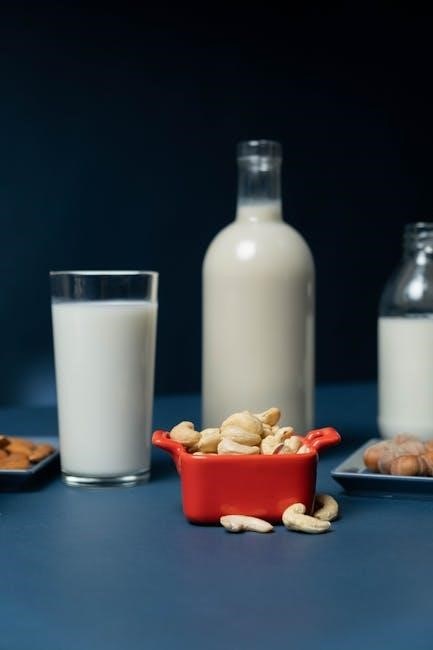
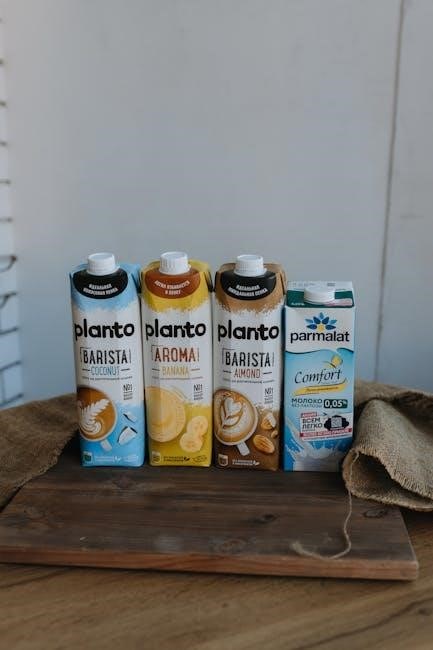
Lactose-free milk options are readily available, providing a direct substitute for traditional dairy milk. These include varieties made from almonds, soy, coconut, rice, and oats, each offering a unique flavor profile and nutritional composition. When reviewing a lactose-free food list PDF, you’ll find these alternatives consistently recommended.
Similarly, lactose-free yogurt options are expanding, utilizing similar plant-based bases. Look for yogurts specifically labeled “lactose-free” or those made from almond, coconut, or soy milk. It’s crucial to check ingredient labels, as some yogurts may contain added milk solids or whey, which can trigger symptoms. A comprehensive PDF list will detail these nuances.
Consider nutritional content when choosing alternatives, paying attention to added sugars and protein levels. Many brands fortify their plant-based milks and yogurts with calcium and vitamin D to match the nutritional value of dairy. Always consult a lactose-free food list PDF for brand-specific recommendations.
Lactose-Free Cheeses
Navigating cheese on a lactose-free diet requires careful consideration. Aged cheeses, like cheddar, parmesan, and Swiss, generally contain lower levels of lactose due to the aging process, making them tolerable for some individuals. A detailed lactose-free food list PDF often highlights these options.
However, for those with severe intolerance, specifically labeled “lactose-free” cheeses are the safest bet. These are produced with enzymes that break down lactose during manufacturing. Many brands now offer lactose-free cheddar, mozzarella, and cream cheese alternatives.
Plant-based cheese alternatives, crafted from ingredients like cashews, almonds, or soy, are also widely available. These provide a dairy-free and lactose-free option, though their flavor and texture may differ from traditional cheese. A comprehensive PDF list will categorize these choices, noting ingredient variations and suitability.
Meat, Poultry & Fish
Excellent news for meat-eaters! Unprocessed meat, poultry, and fish are naturally lactose-free. A reliable lactose-free food list PDF will consistently categorize these as safe choices. This includes beef, chicken, turkey, pork, lamb, and all types of fish – salmon, tuna, cod, and more.
However, caution is advised with pre-marinated or breaded options. These often contain hidden lactose in the marinade or breading ingredients. Always scrutinize the ingredient list. A detailed PDF will often flag common culprits like whey or milk solids.
Processed meats, such as sausages and deli meats, can also contain lactose as a filler or binder. Checking the label is crucial. Prioritize fresh, unprocessed protein sources for a guaranteed lactose-free meal, as confirmed by most comprehensive food lists.
Fruits & Vegetables
Thankfully, a lactose-free food list PDF will overwhelmingly showcase fruits and vegetables as naturally safe and healthy choices! Both fresh, frozen, and canned (in water or natural juice) varieties are generally free from lactose. Enjoy a vibrant array of apples, bananas, oranges, berries, and melons without worry.
Similarly, all vegetables – from leafy greens like spinach and kale to root vegetables like carrots and potatoes – are naturally lactose-free. This makes building a lactose-free diet incredibly versatile and colorful.
However, be mindful of pre-made salads or vegetable dishes, as dressings or sauces may contain hidden dairy. Always review ingredient labels carefully. A comprehensive PDF guide will highlight potential hidden sources, ensuring you can confidently enjoy the bounty of the produce aisle.
Grains & Starches
A reliable lactose-free food list PDF will confirm that most grains and starches are naturally lactose-free, offering a solid foundation for your diet. This includes staples like rice (white, brown, wild), quinoa, oats, corn, and barley. These can be enjoyed freely as part of a balanced meal plan.
However, it’s crucial to scrutinize ingredient lists for added dairy. Some processed grain products, like flavored instant oatmeal or pre-seasoned rice mixes, may contain milk solids or whey.
Potatoes, in all their forms (baked, mashed, fried – prepared without dairy!), sweet potatoes, and other starches like tapioca are also safe. A detailed PDF resource will help you navigate potential pitfalls and ensure you’re making informed choices when selecting grains and starches.
Bread & Baked Goods
Navigating bread and baked goods with a lactose-free food list PDF requires careful attention. Many commercially produced breads contain milk or whey as ingredients, contributing to softness and flavor. Always check the label! Look for breads specifically labeled “dairy-free” or “lactose-free” to ensure safety.
When baking at home, you have complete control. Substitute dairy milk with plant-based alternatives like almond, soy, or oat milk. Butter can be replaced with dairy-free margarine or oil. A comprehensive PDF guide will offer specific substitution ratios for successful baking.

Beware of pastries, cakes, cookies, and muffins, as these frequently contain hidden lactose. Prioritize recipes and products clearly marked as dairy-free to avoid unwanted symptoms.
Navigating Dining Out & Processed Foods
A lactose-free food list PDF is crucial when eating out or choosing processed foods, as hidden lactose is common.
Careful label reading and proactive questioning are essential.
Restaurant Strategies for Lactose-Free Eating
Utilizing a lactose-free food list PDF before dining out empowers informed choices and minimizes potential discomfort. When at a restaurant, proactively inform your server about your lactose intolerance. Don’t hesitate to ask detailed questions about ingredients and preparation methods – sauces, marinades, and even seemingly simple dishes can contain hidden lactose.

Specifically inquire if dishes are prepared with butter, cream, or milk. Request substitutions where possible, such as olive oil instead of butter, or almond milk in sauces. Be cautious of fried foods, as they may be coated in milk-based products.
Many restaurants are becoming more accommodating, but it’s always best to be your own advocate. Having a printed lactose-free food list PDF readily available can facilitate clear communication and ensure a safe and enjoyable dining experience. Consider calling ahead to discuss options with the chef or manager, especially for larger groups or special occasions.
Lactose-Free Processed Food Options
Consulting a lactose-free food list PDF is crucial when navigating the processed food aisle. While many processed foods contain hidden lactose, an increasing number of lactose-free alternatives are becoming available. Look for products specifically labeled “lactose-free” or “dairy-free.” Carefully scrutinize ingredient lists for milk solids, whey, casein, and lactose itself.
Fortunately, many brands now offer lactose-free versions of common items like yogurt, ice cream, and even chocolate. Certain soups, sauces, and frozen meals are also available in lactose-free formulations. Be mindful of processed meats, as they sometimes contain lactose as a binder.
Utilizing a lactose-free food list PDF during grocery shopping streamlines the process and helps avoid accidental consumption. Remember that ingredient lists can change, so regular review is essential for maintaining a lactose-free diet.

Resources & Printable Lists
Downloadable lactose-free food list PDFs offer categorized guidance for managing intolerance, detailing recommended and avoidable items for simplified dietary adherence and planning.
Finding a Lactose-Free Food List PDF
Locating a comprehensive lactose-free food list in PDF format is a crucial step for individuals newly diagnosed or actively managing lactose intolerance. These readily available resources offer a categorized breakdown of foods, clearly indicating which items are safe for consumption and which should be avoided.
Many websites specializing in dietary needs provide free, downloadable PDFs. These lists typically separate food groups – dairy, meats, fruits, vegetables, grains – and detail lactose content within each. Look for lists that specify “recommended,” “limit,” and “avoid” categories for easy reference.
Furthermore, resources linked to specific dietary programs, like those accompanying dairy-free cookbooks (such as “Eat Dairy Free”), often include printable shopping lists and food guides. These PDFs are invaluable for grocery shopping and meal planning, ensuring a smooth transition to a lactose-free lifestyle. Always verify the source and date of the PDF to ensure accuracy.
Online Databases & Apps for Lactose-Free Diets
Beyond static PDF lists, numerous online databases and mobile applications offer dynamic and interactive tools for navigating a lactose-free diet. These resources often surpass traditional lists by providing detailed nutritional information, ingredient analysis, and user-submitted reviews.
Dedicated apps allow users to scan product barcodes to instantly determine lactose content, a feature particularly helpful while grocery shopping. Online databases frequently include extensive food item listings, searchable by category or brand. Some platforms even enable users to create personalized food diaries and track their tolerance levels.
These digital tools are continuously updated with new product information, ensuring accuracy. They often incorporate community features, allowing users to share tips, recipes, and experiences. Utilizing these resources complements a PDF list, offering a more comprehensive and convenient approach to lactose-free living.
Sample Meal Plan (Lactose-Free)
Leveraging a lactose-free food list PDF simplifies meal planning, ensuring dietary adherence and nutritional balance. A sample plan might begin with oatmeal prepared with almond milk and topped with berries for breakfast. Lunch could feature a salad with grilled chicken or fish, utilizing a dairy-free vinaigrette dressing.
Dinner options include baked salmon with roasted vegetables, or a stir-fry with tofu and brown rice, avoiding creamy sauces. Snacks could consist of fruits, vegetables with hummus, or a handful of nuts. This plan emphasizes whole, unprocessed foods, naturally free of lactose.
Remember to always double-check ingredient labels, even on seemingly safe items. Utilizing a detailed PDF list as a guide streamlines the process, making lactose-free eating manageable and enjoyable. Adapt this sample plan to your preferences and dietary needs.